Brick Pavers vs. Concrete Pavers: Key Differences Explained
People searching for brick pavers or concrete pavers installation are typically looking to enhance their outdoor space, and local contractors can expertly handle the installation to meet their needs.
If you’re considering enhancing your property’s outdoor space, understanding the differences between brick pavers and concrete pavers is an important first step. Property owners in the area often explore this topic to determine which material best aligns with their aesthetic preferences, durability needs, and maintenance expectations. Whether planning a new patio, walkway, or driveway, knowing the practical distinctions can help ensure a long-lasting and visually appealing result. Local contractors specializing in paver installation are available to provide insights and expert guidance tailored to your specific project.
Diving into the details of brick pavers versus concrete pavers can reveal key factors that influence your decision, such as appearance, strength, and installation considerations. Many property owners find it useful to compare these options before moving forward with installation services. Connecting with experienced local service providers can help clarify which material suits your property’s style and functional requirements, making the entire process smoother and more informed. Keep reading to discover the essential differences that can help shape your outdoor project.
Brick pavers installation - ideal for homeowners seeking a durable, classic look for patios and walkways, with local contractors emphasizing precise layout and material selection.Concrete pavers installation - suitable for those needing versatile designs and quick installation, with service providers focusing on uniformity and structural strength.Brick pavers installation - often chosen for aesthetic appeal and traditional charm, with local pros ensuring proper base preparation and pattern alignment.Concrete pavers installation - favored for modern, cost-effective projects requiring adaptable sizes and shapes, with contractors prioritizing even surface finishes.Brick pavers installation - recommended for projects that value timeless appeal and natural textures, with local service providers focusing on craftsmanship and longevity.
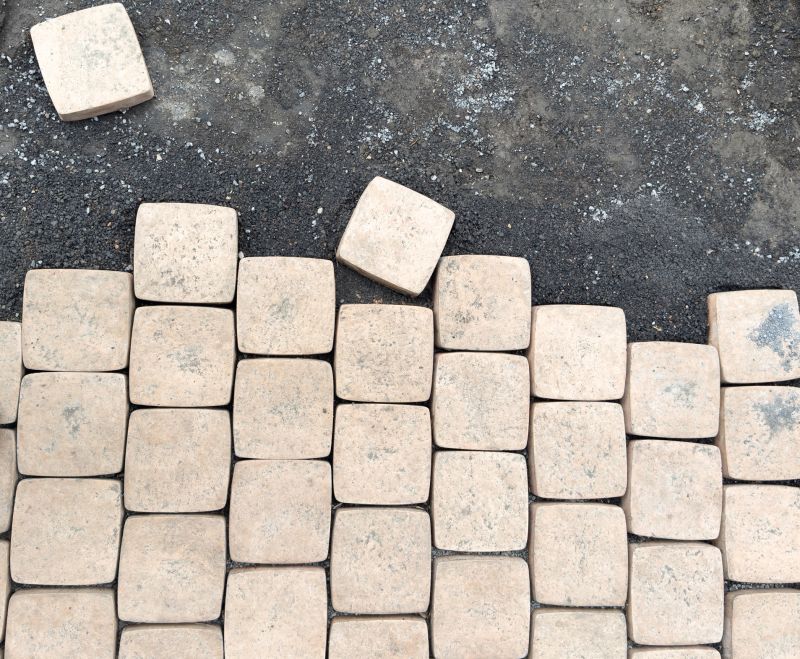
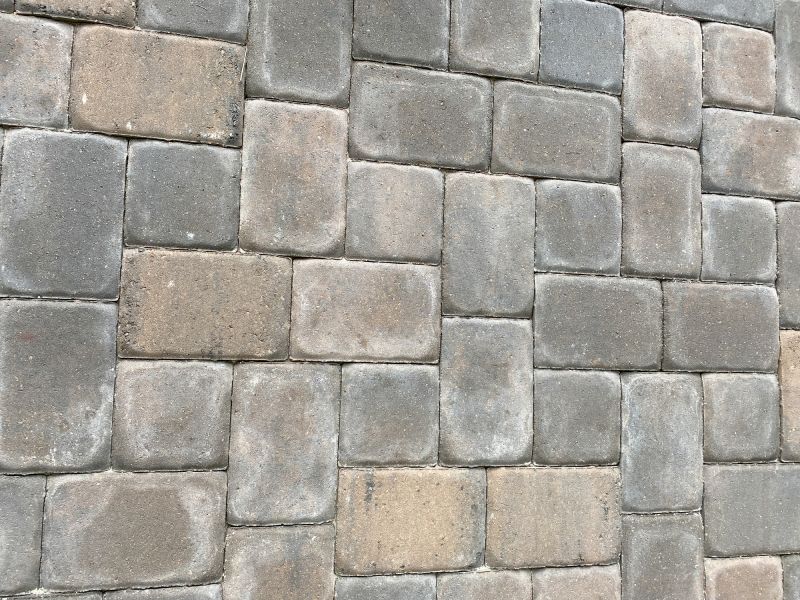
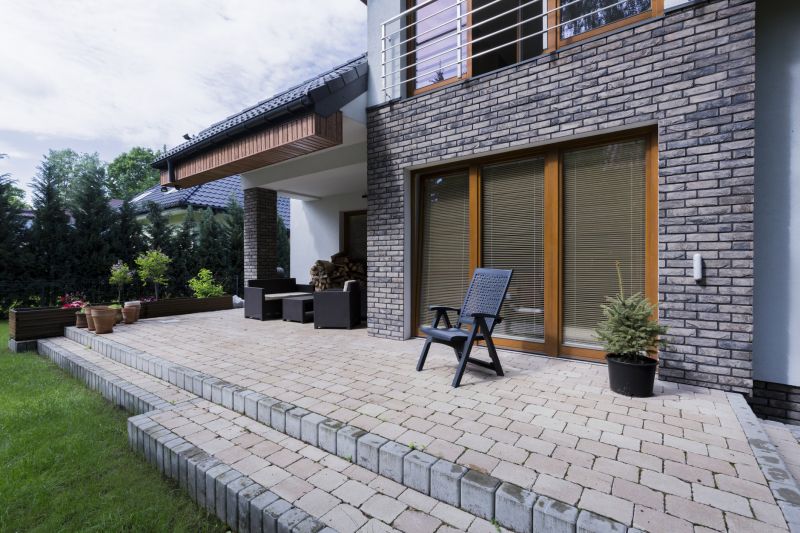
When homeowners search for information on brick pavers vs. concrete pavers: key differences explained, they are often trying to understand which material best suits their outdoor renovation plans. Commonly, this topic arises in the context of designing or upgrading driveways, patios, walkways, or pool decks. Property owners want to know how each material performs in terms of durability, appearance, and maintenance, so they can choose the right option for their specific project. The decision often hinges on the type of property, whether it’s a residential home, a commercial space, or a landscaped backyard, and what kind of aesthetic or functionality they desire. Understanding these distinctions helps homeowners make informed choices about the materials that will best meet their needs and complement their property's style.
Many property owners exploring brick pavers vs. concrete pavers: key differences explained are planning to improve the curb appeal or functionality of their outdoor spaces. These projects can range from installing a new driveway to creating a decorative patio or a durable walkway. Problems such as uneven surfaces, cracking, or shifting over time are common concerns that influence material selection. Homeowners also consider how each material withstands foot traffic, weather conditions, and the potential for staining or fading. Local contractors who specialize in paver installation can assess these factors and recommend the most suitable material based on the specific conditions of the property and the homeowner’s goals.
The types of properties that typically come up in discussions about brick pavers vs. concrete pavers: key differences explained include a wide variety of residential and commercial settings. Single-family homes often feature brick or concrete pavers for driveways, garden paths, or patios. Larger properties, such as apartment complexes or business parks, may use concrete pavers for their affordability and ease of maintenance. The style of the property also influences the choice-classic or traditional homes might lean toward brick pavers for their timeless look, while modern or minimalist designs may favor the sleek appearance of concrete pavers. Local service providers can offer guidance on selecting the right material that aligns with the property's architecture and the homeowner’s aesthetic preferences.
Ultimately, understanding the key differences between brick pavers and concrete pavers helps property owners make better-informed decisions for their outdoor projects. Each material offers distinct advantages and considerations, from appearance and customization options to longevity and maintenance. Homeowners should work with experienced local contractors who can evaluate their property’s specific conditions and help choose the most appropriate paver type. These professionals can handle the installation process, ensuring the chosen material is properly laid to maximize durability and visual appeal. Whether the goal is to enhance curb appeal, create a functional outdoor living area, or improve property value, the right paver choice plays a crucial role in achieving a successful and long-lasting result.
Patio and walkway installation - local contractors skilled in paving can help design and install durable patios and walkways using brick or concrete pavers, emphasizing the key differences in material options.
Driveway paving projects - experts in paving materials can assist with driveway installations, guiding choices between brick and concrete pavers based on durability and aesthetic preferences.
Landscape design and hardscaping - professionals experienced in hardscaping can incorporate paver materials into landscape plans, highlighting their suitability for different styles and functions.
Outdoor flooring and surface upgrades - local service providers can upgrade existing surfaces with paver options, explaining how material differences impact longevity and maintenance.
Pool deck paving services - specialists can help select and install pavers around pools, considering slip resistance and weather resistance of brick versus concrete options.
Retaining wall construction - contractors familiar with paver materials can integrate brick or concrete pavers into retaining walls, focusing on structural and visual differences.
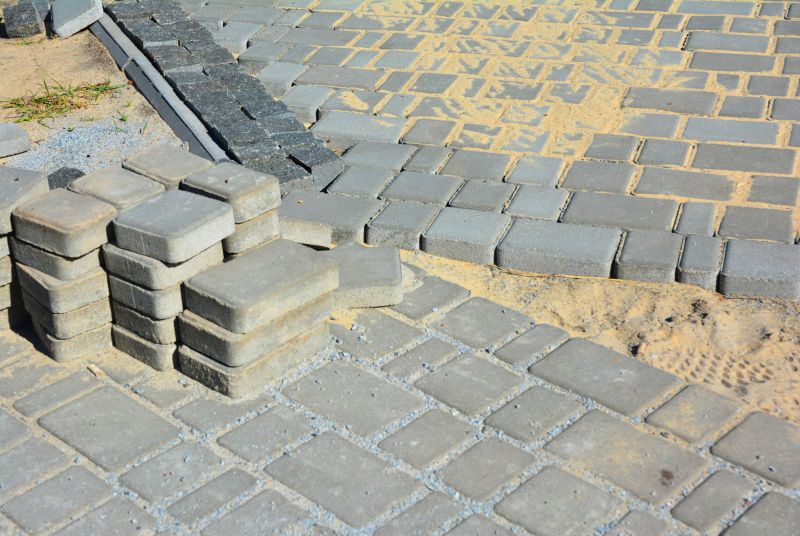
When evaluating contractors for brick pavers or concrete pavers installation, it’s important to consider their experience with similar projects. Homeowners should inquire about the types of paving projects a service provider has completed in the past, paying attention to whether they have worked with both brick and concrete materials. An experienced contractor will understand the unique techniques required for each, such as the proper installation methods to ensure durability and aesthetic appeal. Checking references or reviews can provide insight into their track record with projects comparable to the homeowner’s needs, helping to ensure that the chosen service provider has the necessary expertise to handle the specific differences between brick pavers and concrete pavers effectively.
Clear, written expectations are essential when comparing local contractors for paving projects. Homeowners should seek detailed proposals that outline the scope of work, materials to be used, and the installation process, including any preparatory steps or finishing touches. This clarity helps prevent misunderstandings and ensures the contractor’s approach aligns with the homeowner’s preferences, especially when considering the aesthetic and functional differences between brick and concrete pavers. A reputable service provider will be transparent about their methods and provide comprehensive documentation, enabling homeowners to make informed decisions based on the specific requirements of each paving type.
Effective communication is a key factor in selecting the right contractor for brick pavers or concrete pavers installation. Homeowners should observe how promptly and clearly service providers respond to inquiries and whether they are willing to answer questions about the differences between the materials. Good communication also involves discussing project timelines, potential challenges, and maintenance considerations. Contractors who demonstrate professionalism and a willingness to educate clients about the nuances of brick versus concrete pavers can foster a smoother, more collaborative process. This level of engagement helps ensure that expectations are aligned and that the project proceeds with mutual understanding and confidence.
Get a Quote for Brick Pavers Or Concrete Pavers Installation
Property owners often search for brick pavers vs. concrete pavers: key differences explained when they are planning practical projects around their homes and businesses. Local pros provide Brick Pavers or Concrete Pavers Installation services for everyday jobs and straightforward project options.
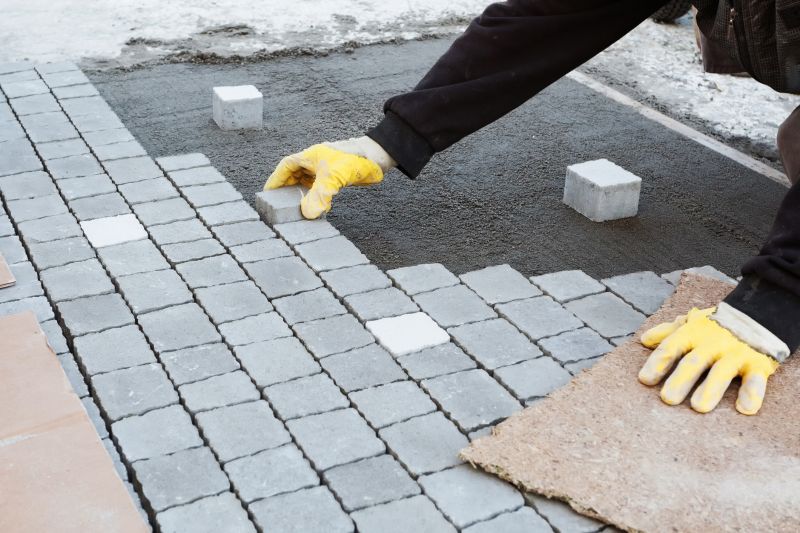
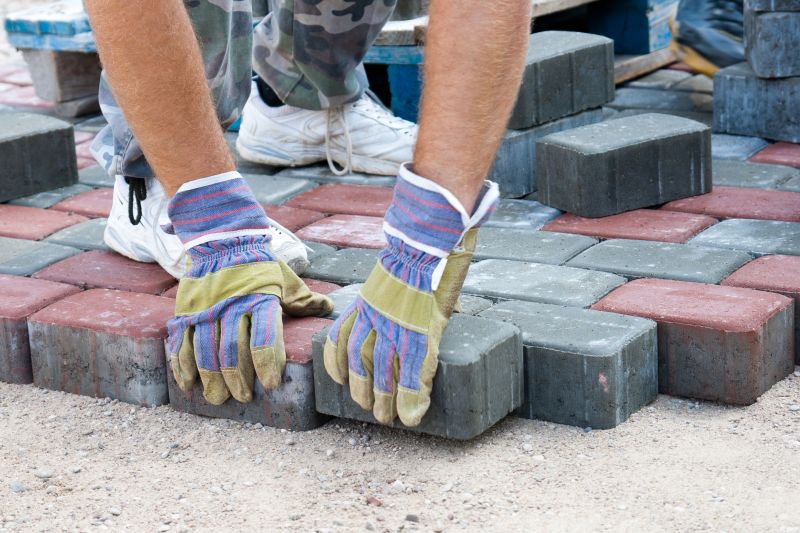
Homeowners in the area often search for information on brick pavers versus concrete pavers to determine which material best suits their outdoor projects, such as patios, walkways, or driveways. Understanding the key differences can help property owners choose the most durable, attractive, and cost-effective option for their space. Local contractors who specialize in paver installation can provide insights into the advantages and limitations of each material, ensuring that projects are completed with quality craftsmanship and tailored to the specific needs of the property.
Choosing between brick pavers and concrete pavers often comes down to factors like appearance, maintenance, and longevity, which are common concerns for those planning outdoor improvements. Property owners looking to enhance their curb appeal or create a functional outdoor area may consider consulting local service providers who have experience working with both materials. These professionals can help evaluate the project scope and recommend the best paver type to meet aesthetic preferences and practical requirements.
Get a Quote for Brick Pavers Or Concrete Pavers Installation
What are the main visual differences between brick pavers and concrete pavers? Brick pavers typically have a traditional, warm appearance with textured surfaces and natural color variations, while concrete pavers often feature a smoother finish with a wider range of colors and patterns.
How do the durability and lifespan compare between brick pavers and concrete pavers? Brick pavers are known for their long-lasting durability and can last for decades with proper installation, whereas concrete pavers are also durable but may be more prone to cracking over time if not installed correctly.
Are there differences in maintenance requirements for brick versus concrete pavers? Brick pavers generally require minimal maintenance and can be easily replaced if damaged, while concrete pavers might need sealing to prevent staining and may require repairs for cracks or chips.
What installation considerations should be kept in mind for brick and concrete pavers? Proper base preparation is essential for both types, but brick pavers often require more precise laying to ensure stability, whereas concrete pavers can be quicker to install with uniform patterns.
Can local contractors help decide which paver type is best for a specific project? Yes, experienced service providers can assess the site, discuss aesthetic preferences, and recommend the most suitable paver type based on durability, appearance, and installation conditions.
Durability considerations - Property owners can choose between brick or concrete pavers based on the expected wear and tear in their outdoor spaces, with local contractors providing guidance on the best option for longevity.
Design flexibility - Homeowners can explore different patterns, colors, and textures when planning their paved areas, with local pros helping to select and install the most suitable style.
Maintenance needs - Understanding the upkeep requirements of brick versus concrete pavers allows property owners to plan for cleaning and repairs, with local service providers offering maintenance solutions.
Installation techniques - Selecting the right installation method for each type of paver ensures a stable, attractive surface, with local contractors applying best practices tailored to brick or concrete paver projects.
If you are thinking about brick pavers vs. concrete pavers: key differences explained for a property, this guide is meant to help you understand this topic, the typical project types, and how different options might fit your plans.
When you are ready, you can use the quote form on this page to share a few details about your project. From there, local pros can review the basics and follow up with options that match what you have in mind.
Get a Quote for Brick Pavers Or Concrete Pavers Installation